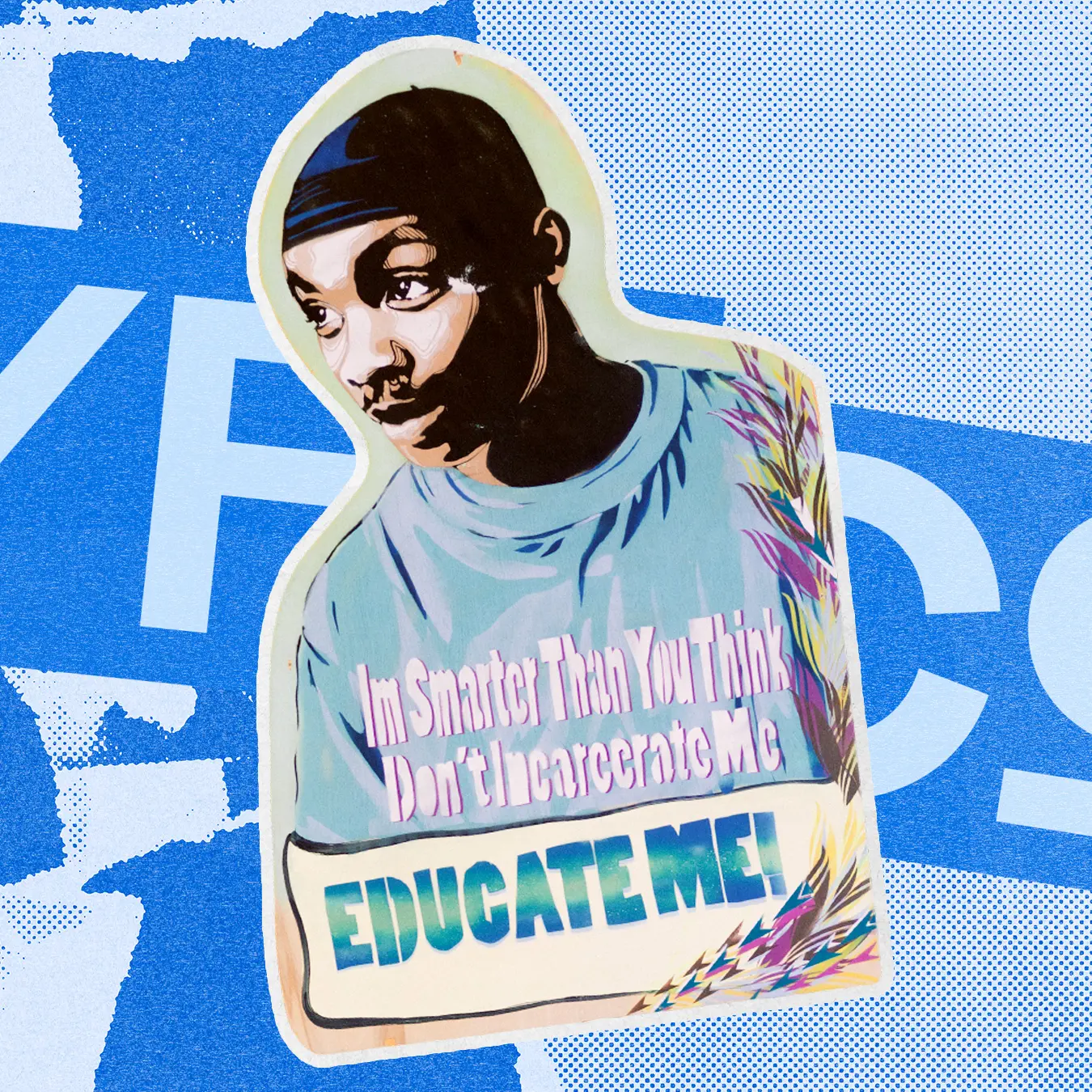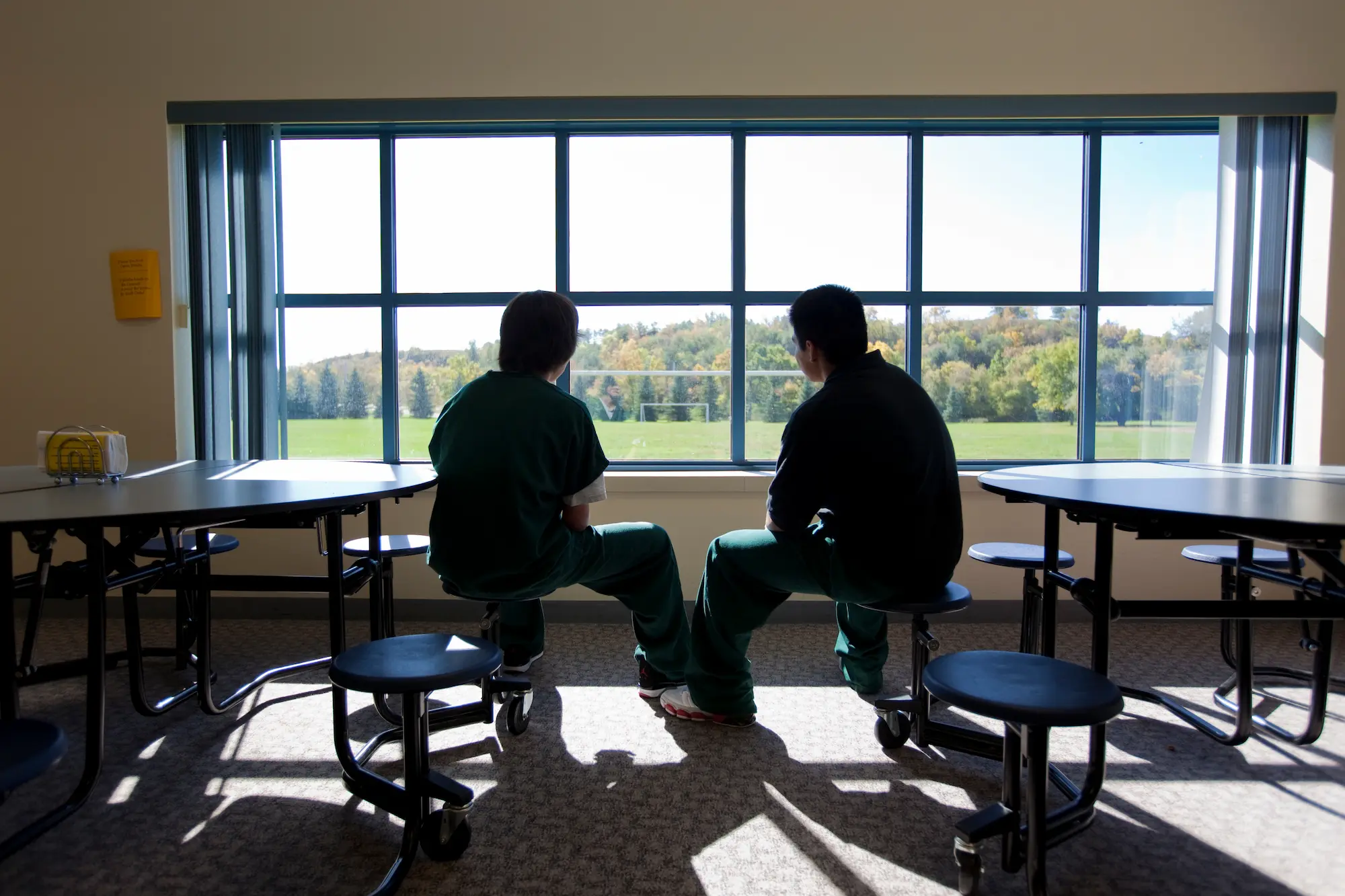




Tonight, 70,000 youth will sleep in a locked facility, separated from their families. Many of them are there because their communities lack programs that could keep them safely home. Safely Home describes how communities and systems can safely support high-need youth in their homes and communities, focusing on the elements of effective community-based alternatives for high and complex need youth in the juvenile justice system. These youth are not lost causes. With the right supports, they can live safely at home with their families and in their communities, not in isolation.
THE KEY MESSAGES FROM SAFELY HOME ARE:
A lack of effective alternatives for high-need youth contributes to youth incarceration. Systems cannot achieve deincarceration goals unless they build continuums of community-based programs to serve all youth, especially those with the highest need (highest risk), and have the willingness to implement them. Currently, most kids with complex needs are left out of services or lack the support they need in current services and as a result, end up “left out and locked up.” Virtually anything that can be done in an institution can be done better in the community. Whether a youth needs 24/7 supervision, access to treatment or a way to appreciate the consequences of his behavior, an effective community-based program can create that environment in a way that keeps a youth safe and increases the likelihood that he or she will succeed.
Systems can redirect institutional dollars toward less expensive community programs. Effective community-based programs can serve three to four kids in the community for the same price as locking one up. In fact, if communities served 20 youth in the community over 6 months, instead of through out-of-home placement, they could save more than half a million dollars. Communities can’t climb out of poverty, neighborhood violence, and other risk factors through incarceration, especially of their youth. Risk factors that make youth vulnerable to incarceration cannot be eliminated through incarceration. In fact, many of the environmental and social factors that contribute to youth incarceration get worse, not better with incarceration.
Community-based programs that provide the right amount of intensity can provide safe and effective alternatives to youth incarceration and residential placement. The elements of effective community-based programs that will be discussed in detail in the report include:
- Accept all kids and adopt “no reject” policies
- Be available, accessible and flexible
- Empower voice, choice & ownership
- Individualize services for each youth
- Ensure family-focused services
- Take a strength-based approach
- Provide culturally competent services
- Engage youth in work
- Prioritize safety and crisis planning
- Provide unconditional caring (no-eject policies)
- Create opportunities for civic engagement and giving back
- Cultivate long-term connection to community