



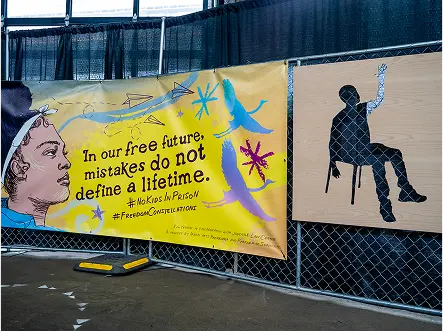
We don’t have to dream of a liberated future. We can create one.

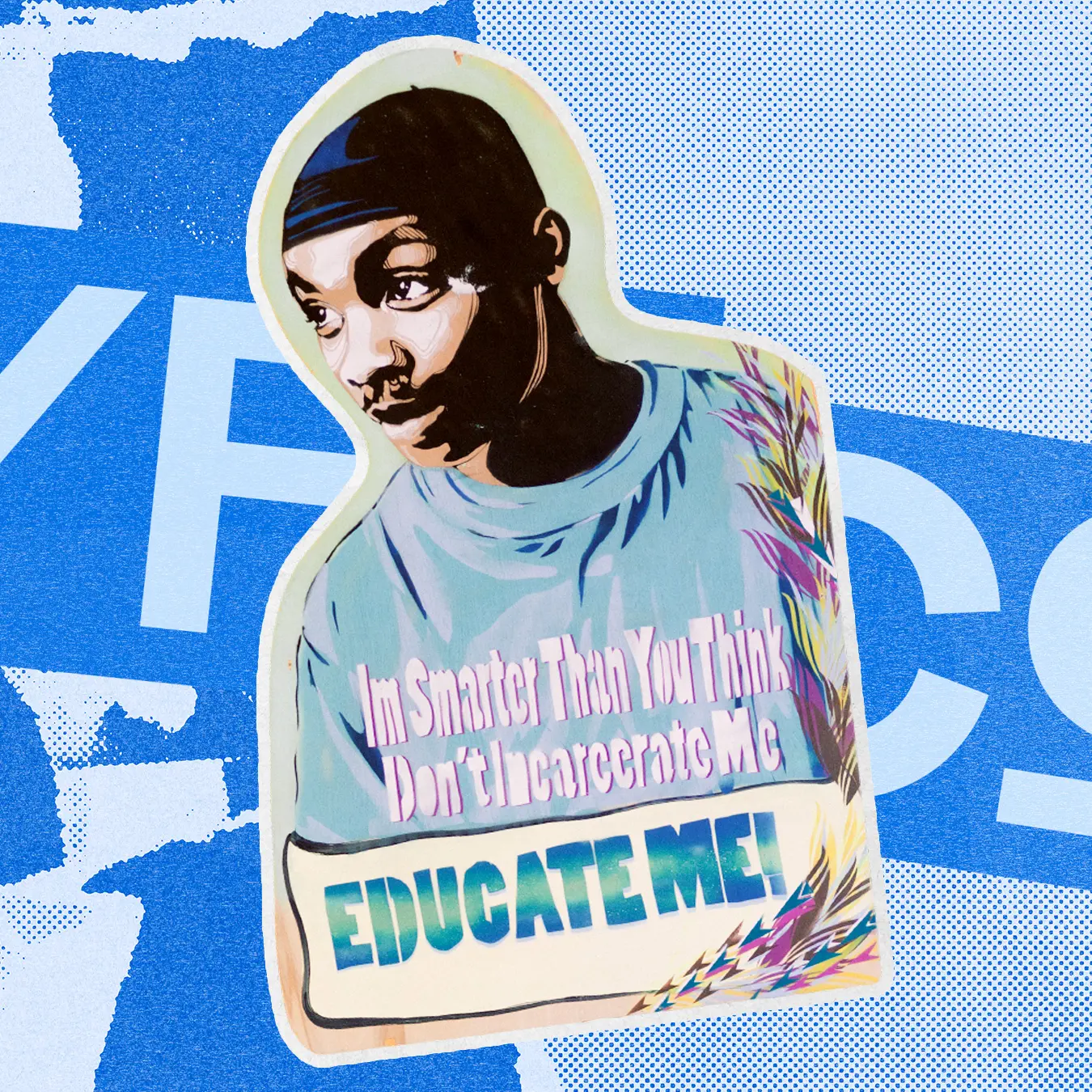
There are common-sense alternatives to imprisonment—all we have to do is support them.
Sometimes, kids cause harm to others. When a young person seems lost, the solution is not to lock them away. As young people are growing and learning, it is the responsibility of adults and community members to steer them in the right direction. The youth carceral system takes that opportunity away from us.
The solution isn’t ‘better’ youth prisons, it’s the abolishment of youth prisons altogether. That means no young people in carceral settings, including jails or prisons (juvenile and adult), detention centers and private and state-run placements.
If that kind of future seems like a dream, remember that we’re already more than halfway there.
Since 2000, youth incarceration has dropped by 75%. Communities joined together to invest instead in life-affirming, community-based alternatives. These alternatives keep kids in their homes and surrounded by people who care about them, pair directly impacted youth with credible mentors, create pathways to jobs and education and connect young people with the mental health support needed to address trauma. They create opportunities for our children to explore, grow and learn how to be accountable for their actions.
Now is not the time to give up on youth. Here’s how we fight for our future.
Our vision invests in young people, not youth prisons.

Keeps youth from entering the system
As soon as young people enter the system, we are in danger of losing them. Comprehensive community services offers support and care to youth within their communities and/or homes. These services may include supportive homes for homeless and foster youth, addiction and recovery support and coordinated care for youth diagnosed with serious emotional disturbances.

Funds education in and out of schools
We know that community programs and high-quality schools improve outcomes for young people and lead to less involvement in the juvenile justice system. The key is in divesting funds away from carceral facilities and into schools, as well as programs that provide youth employment opportunities, after-school programs, arts education and sports, mentoring and violence intervention programs.

Promotes transformative justice
Transformative justice is the antithesis of punitive justice. It is a non-violent, healing response to violence or harm. Instead of alienating people who have hurt others, transformative justice addresses the root cause of their actions, including the conditions and systems that normalized or justified their actions. Getting to the root cause of crime decreases the likelihood of repeated offenses.

Creates restorative diversions
When young people do enter the system, community-based alternatives divert them away from the juvenile courts and toward a process that is restorative, meaning it is aimed at healing harm and preventing criminal charges. These alternatives include family-focused interventions such as Multi-systemic Therapy and Functional Family Therapy. Credible Messengers, mentors with a history of justice system involvement, can also provide support and assistance.

Keep reading to think bigger.