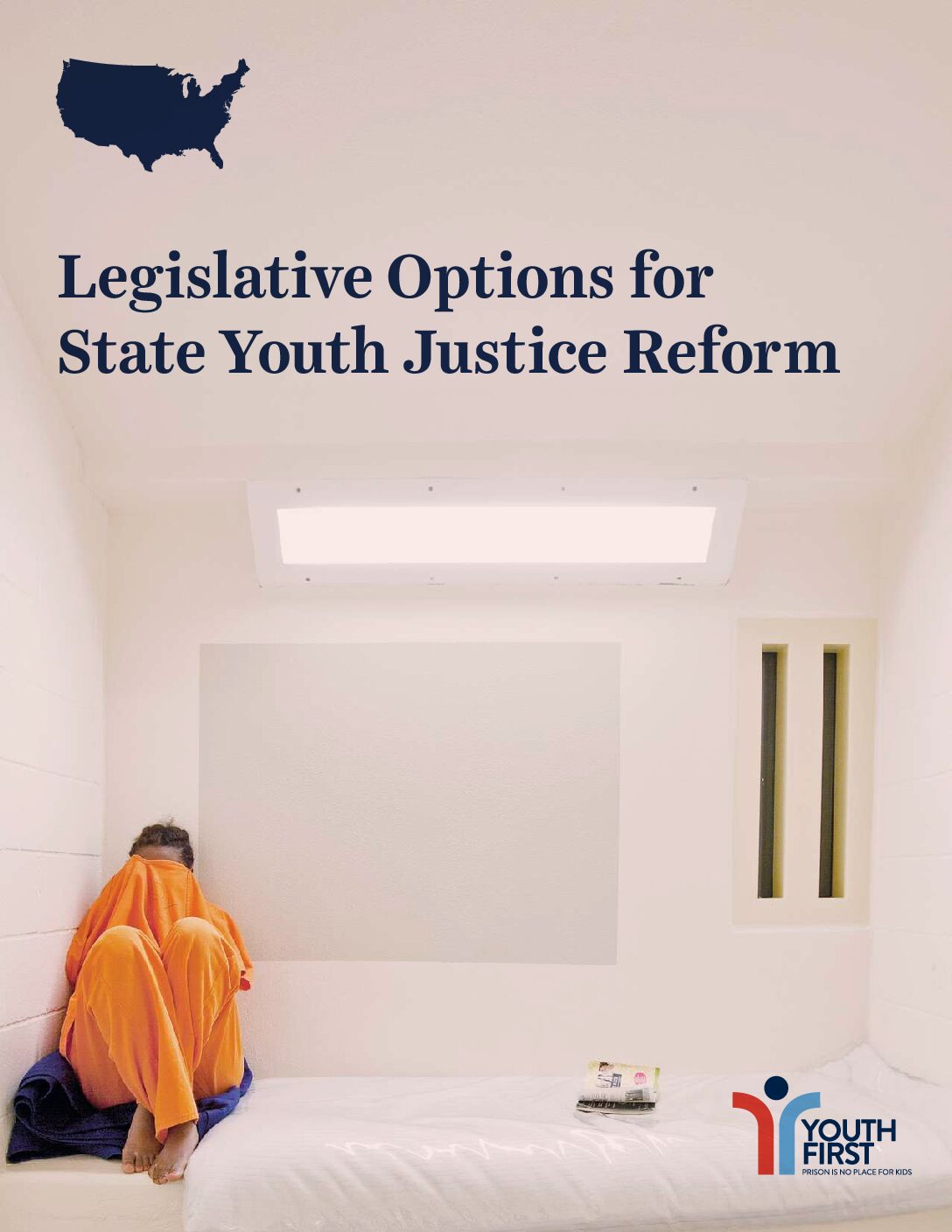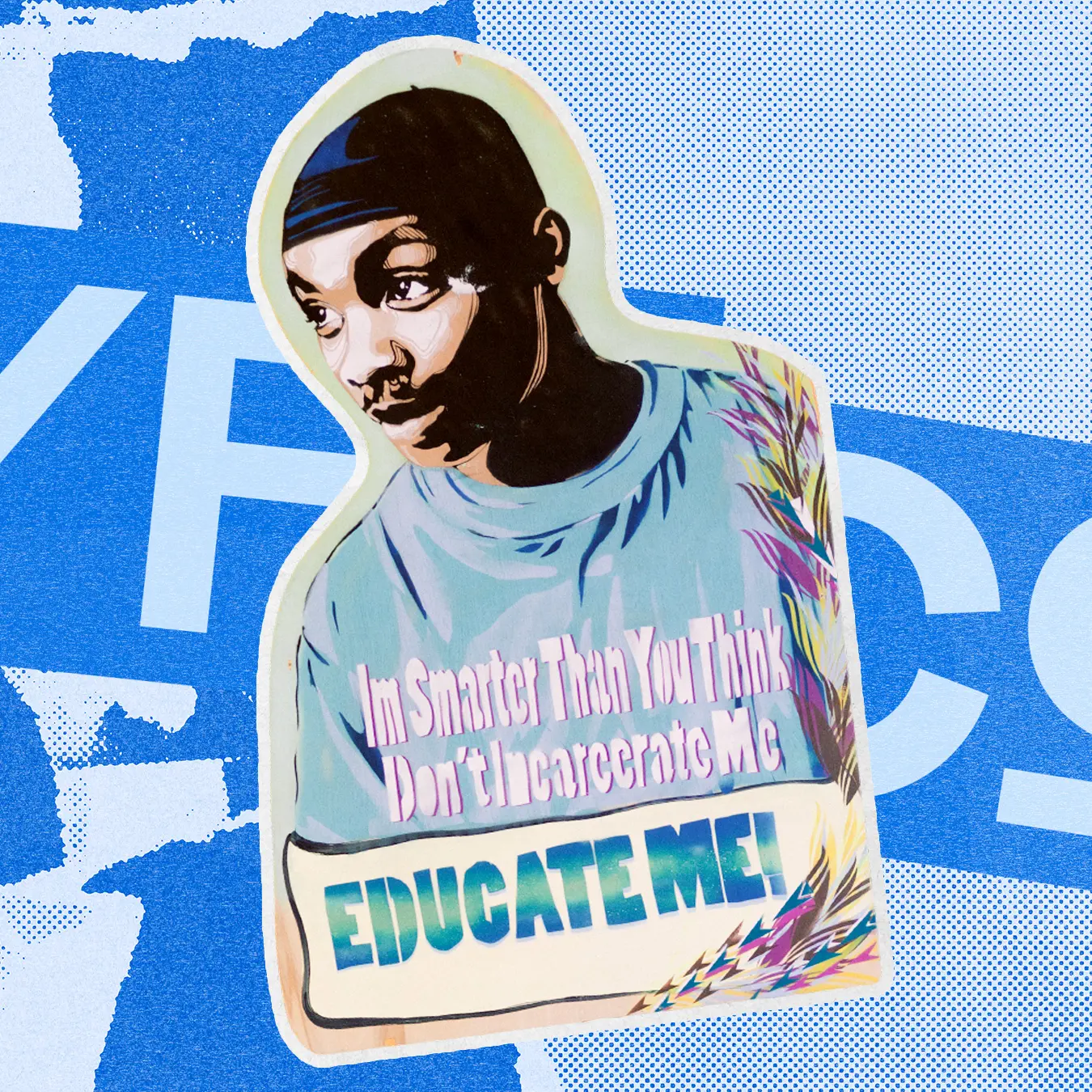





On any given day, nearly 50,000 youth reside in youth prisons or other out of home placements due to their involvement in the juvenile justice system. Not surprisingly, youth of color are disproportionately represented at every stage of the justice system, including incarceration. One of the most harmful, ineffective and expensive forms of incarceration is the youth prison, the signature feature of nearly every state juvenile justice system. States devote the largest share of their juvenile justice resources to youth prisons at an estimated annual cost of over $5 billion per year. While youth incarceration has dramatically decreased over the past decade, almost all states still rely on these costly institutions and the harmful approach they embody. If youth prisons were closed, tens of millions of dollars could be freed up for community based, non-residential alternatives to youth incarceration, and other youth-serving programs. In October 2016, the National Institutes of Justice, in partnership with the Annie E. Casey Foundation and the Harvard Kennedy School, published The Future of Youth Justice: A Community-Based Alternative to the Youth Prison Model, which rejects the harmful, ineffective, and excessively expensive youth prison model in favor of investment in community-based alternatives that work.
As states enter new legislative sessions, these are recommended reforms that would increase public safety, decrease youth of color in prison, and realign funding to approaches that work.