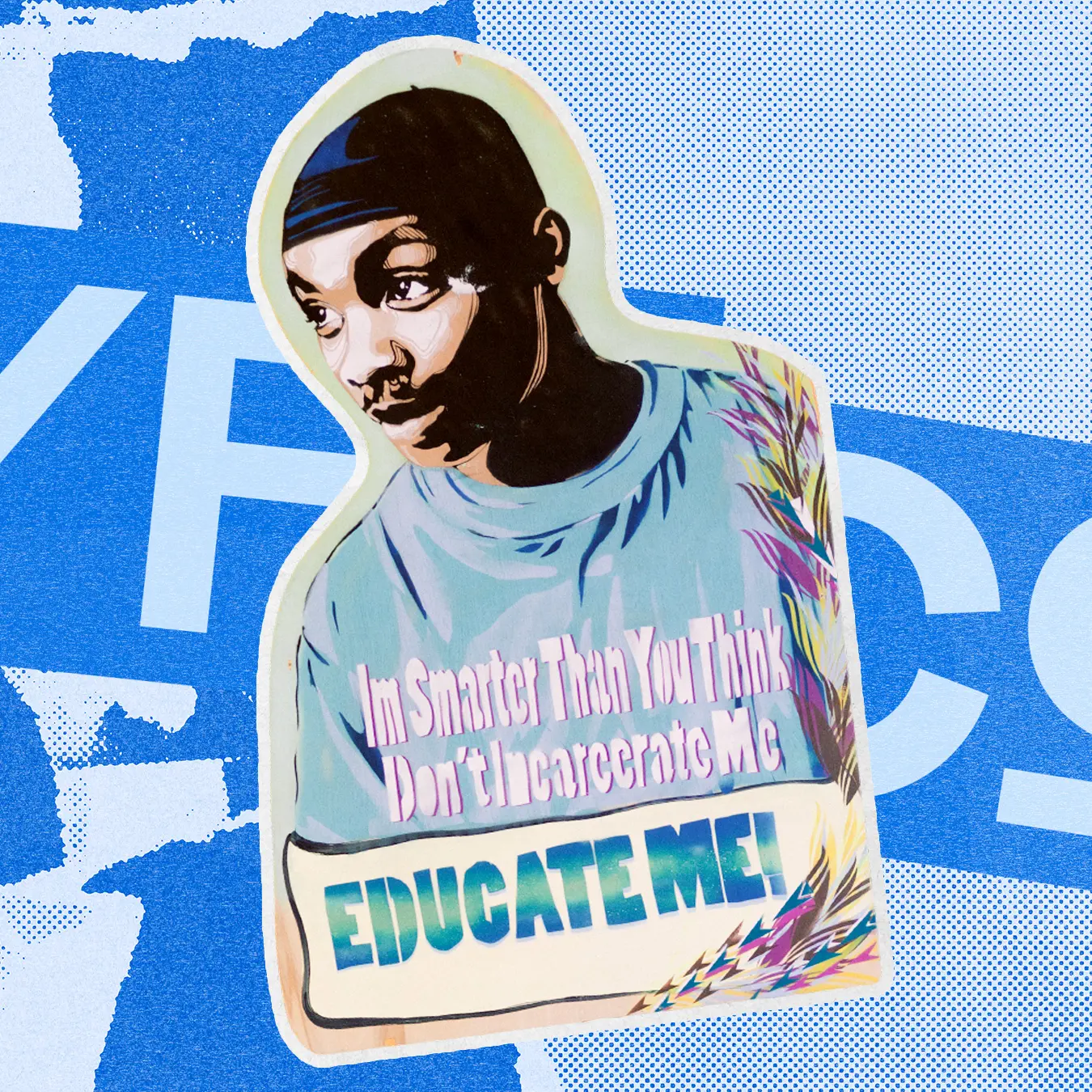





Juvenile justice reform has fundamentally shifted the country’s approach to youth justice over the past two decades, moving the field away from incarceration and toward community-based solutions for youth. Yet there remains a critical need to build out a well-resourced continuum of care and opportunity for youth and families in their home communities that offers the supports and opportunities required to prevent and address harmful and illegal behavior. Structural inequalities result in the reality that some communities simply do not have the resources to offer all youth the same access to education, jobs, health care, supports, and opportunities that promote healthy development and safe neighborhoods. Yet youth development, healing, and rehabilitation happens at home, and it is imperative to find a way to build on existing community assets and develop a network of services and opportunities that meet evolving youth and family needs.
Resourcing a continuum of care and opportunity in communities that experience concentrated disadvantage requires substantial investment, cross-agency collaboration, and collective ownership of a shared responsibility to ensure that all communities have the resources needed to promote healthy development and positive outcomes for all youth. This is the next frontier of juvenile justice reform, and the strategies outlined here provide a menu for thinking big and finding creative ways to invest in youth and families and the communities in which they live.