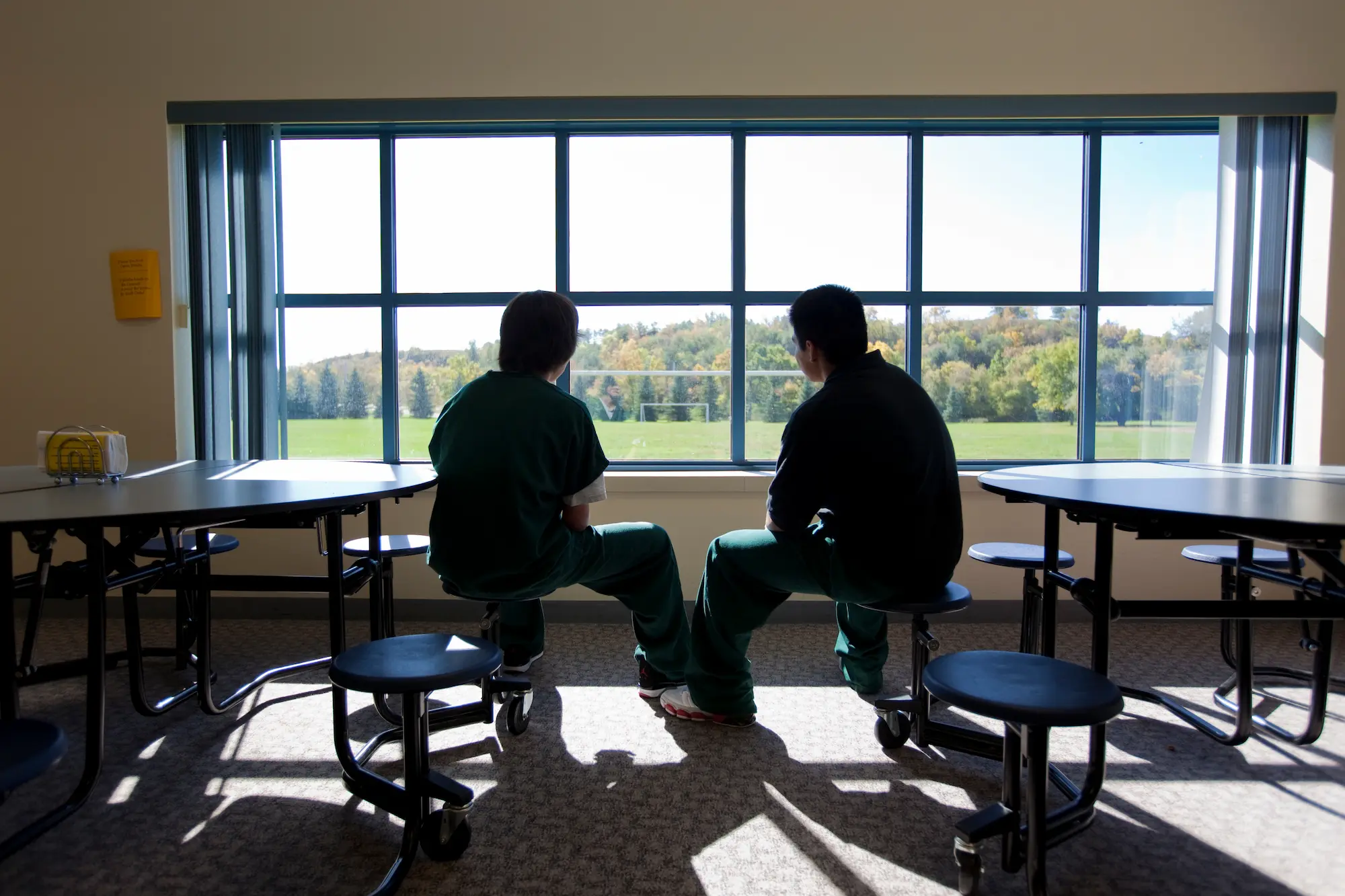




In 2019 and beyond, Maine policymakers will make decisions about how to support Maine’s youth, families, and communities. Youth involved in the justice or child welfare system that are transitioning to adulthood (ages 14 to 25) are a particularly vulnerable and underserved population. Approximately fourteen thousand young people in Maine between the ages of 16 and 24 are disconnected from school and unemployed, and roughly three thousand of these youth will face homelessness or will return to communities from out- of-home treatment, confinement, or multi-system involvement ranging from days to years.
At eighteen, some face a chasm of service availability as they age out of child-serving systems and programs. Those who have criminal records as a result of their justice system involvement face additional barriers to employment, education, and other opportunities. This is compounded by persistent opportunity gaps experienced by youth of color, girls, LGBT and gender nonconforming youth. Strategies and policies that are neutral regarding race, ethnicity, gender, sexual orientation, and gender identity and
expression fail to address these disparities. Presently, twelve percent of Maine’s children under the age of 18 are growing up in poverty and hunger. Many young people are experiencing housing insecurity, substance use, domestic violence, and trauma. Inconsistently available community-based interventions and supports, especially in rural areas, are exacerbated by state reductions in services and fluctuating government contributions to the safety net.
For decades, assessments of both the corrections and health and human services systems have reached the same conclusion: community-based services in Maine have been under resourced and underfunded. Recommendations consistently point to needed investments in community-based services for youth and families. This is because place matters, especially in how Maine targets its investments in certain communities. It matters for youth, it matters for families, it matters for communities and it matters for the persistence of those places.